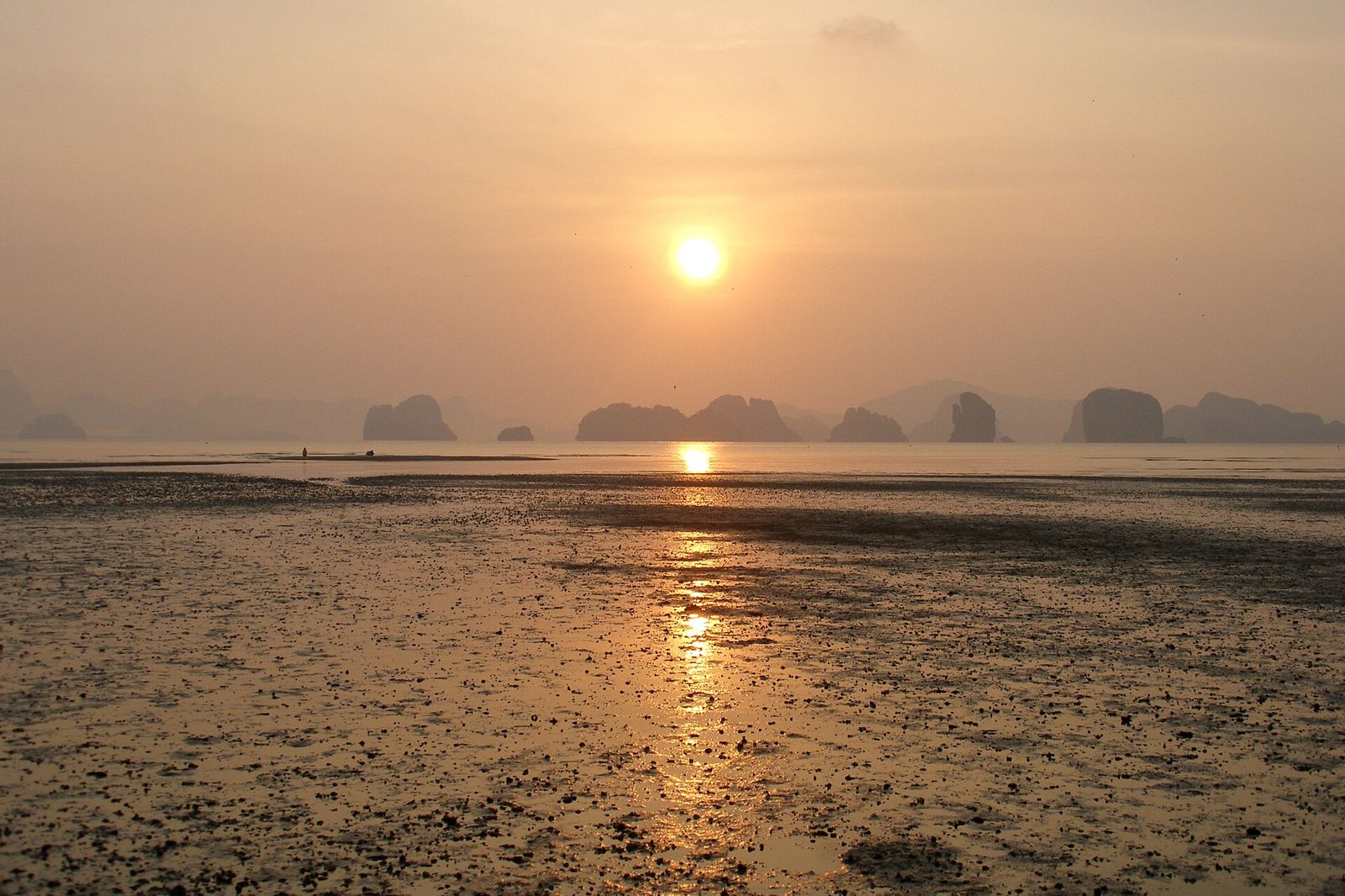
Vietnam, Cambodia and Thailand share a tropical monsoon climate, but the rains arrive at different times in different regions. Here is how to match your dates to your route.
November to February: the cool, dry season
This is the most popular time for Cambodia, Thailand and southern Vietnam: dry, sunny and less humid. Northern Vietnam is cool to chilly in December and January, so pack a warm layer for Hanoi, Ha Long Bay and Sapa. Central Vietnam can still be wet in November and December.
March to May: the hot season
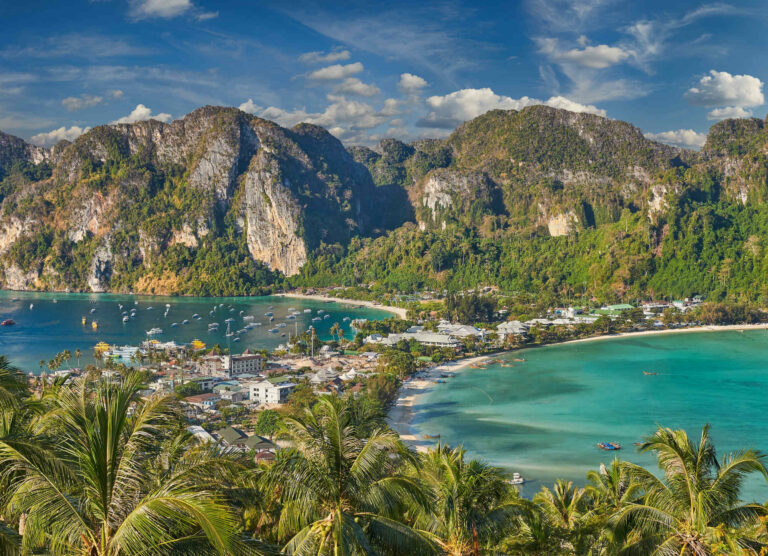
Temperatures climb across the region, with April usually the hottest month in Cambodia and Thailand. It is a good time for central Vietnam and the beaches. Plan temple visits early in the morning and late in the afternoon.
June to October: the green season
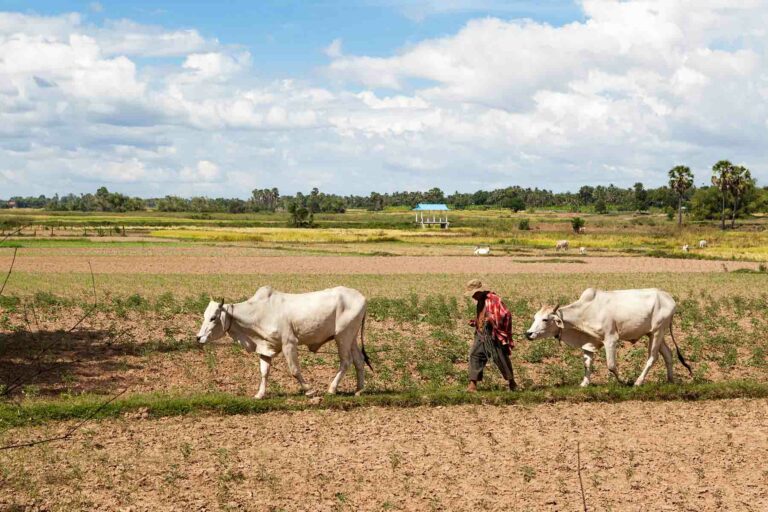
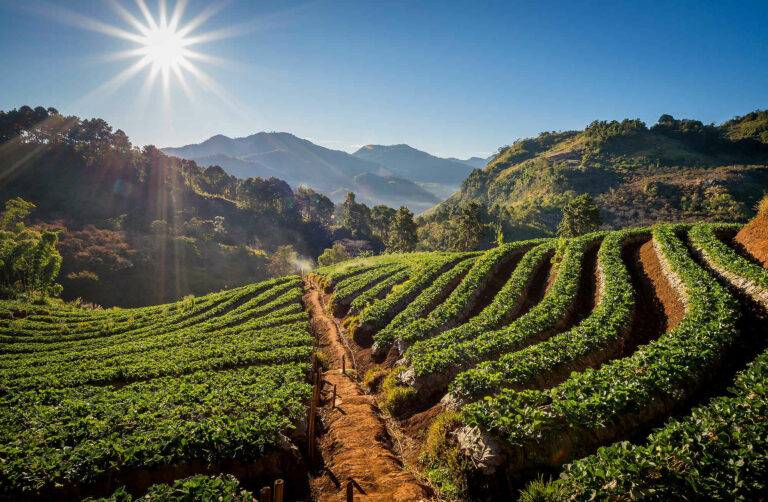
The southwest monsoon brings rain, usually in short, heavy afternoon showers rather than all day. Landscapes are green, rice fields are full and there are fewer visitors. The Andaman coast of Thailand (Phuket, Krabi) has rougher seas, while the Gulf islands such as Koh Samui stay drier until autumn. In Cambodia, the Tonle Sap lake is at its highest in September and October.
Central Vietnam is different
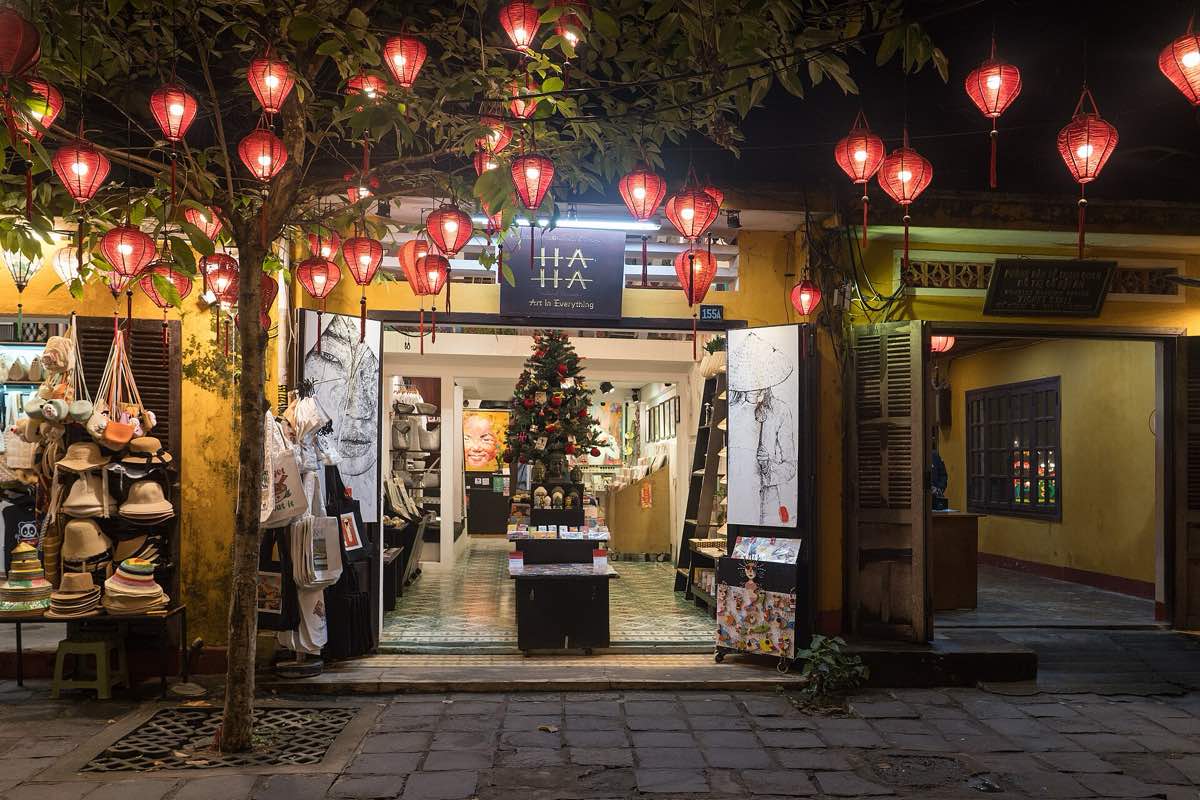
Hue, Hoi An and Da Nang are driest from February to August. The main rains and the risk of tropical storms come from about September to December, when some days and boat trips can be disrupted.
Festivals to plan around
- Lunar New Year (Tet) in Vietnam, in late January or February: a wonderful atmosphere, but many shops close and transport is busy
- Songkran in Thailand and Khmer New Year in Cambodia, in mid-April: water festivals and family holidays
- Loy Krathong in Thailand, usually in November: lanterns and floating offerings
Our advice
There is good travel somewhere in the region every month. Tell us when you can travel and we will build the route around the best weather for those dates.